What is ROI?
Owning a rental property can and should be a great long-term investment, but simply owning a property does not guarantee any strong returns. Successful rental property owners understand that profitability heavily depends on more than just collecting the rent each month. Maintenance, vacancy rates, tenant retention, operating expenses, and smart property improvements can all affect the performance of your property.
For Arizona property owners, especially those in the growing market of the Phoenix area, taking a proactive approach to property management can make a significant difference in your investment.
ROI stands for Return on Investment. It basically refers to a simple financial measure used to check how well an investment works or how much profit it’s making. Our job is to inform you on the many strategies property owners can use to maximise the return on their rental investment.
1. Set the Right Rental Price
One of the most important decisions you make as a landlord is determining how much to charge for rent.
If you make this rent too high, it may result in longer vacancy periods. On the other hand, pricing it too low can leave out potential income from coming in. Your goal is to find a competitive price based on the property’s location, size, condition, amenities, and current rental market.
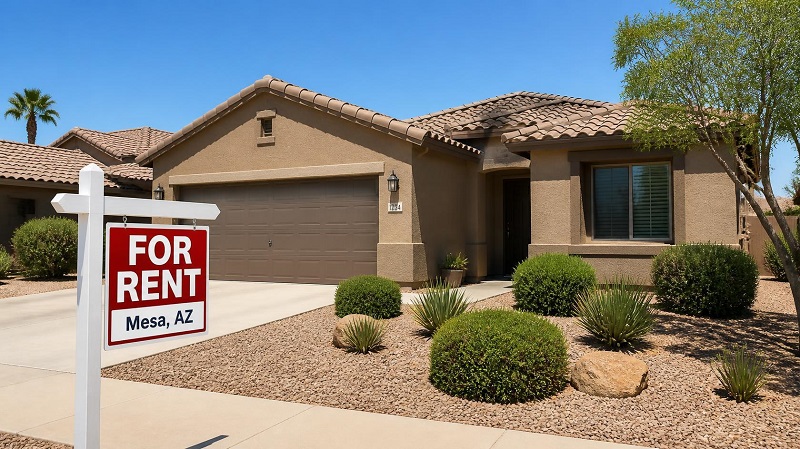
Before you set or even change your rent, you should research comparable rental properties in the Mesa area. Looking at similar homes can provide a better idea of what renters are currently willing to pay.
A professional property manager can also be helpful in evaluating market conditions and recommencing competitive pricing.
2. Reduce Vacancy Time
An empty rental property doesn’t generate rental income. However, expenses such as mortgage payments, utilities, insurance, and maintenance may continue. Therefore, reducing vacancy time should be a major priority.
Effective marketing can help attract potential tenants. This includes high quality photographs, accurate property descriptions, online listings, and prompt communication can all make a property seem more appealing.
It is also important to begin preparing for the next tenant before the current tenant moves out, if your circumstances will allow for it. This can be anything from scheduling cleaning, repairs, and any necessary maintenance ahead of time. This will reduce the amount of time a property sits vacant.
3. Invest in Preventative Maintenance
Waiting until something breaks can turn a relatively inexpensive repair into a much larger expense that you hadn’t originally planned for.
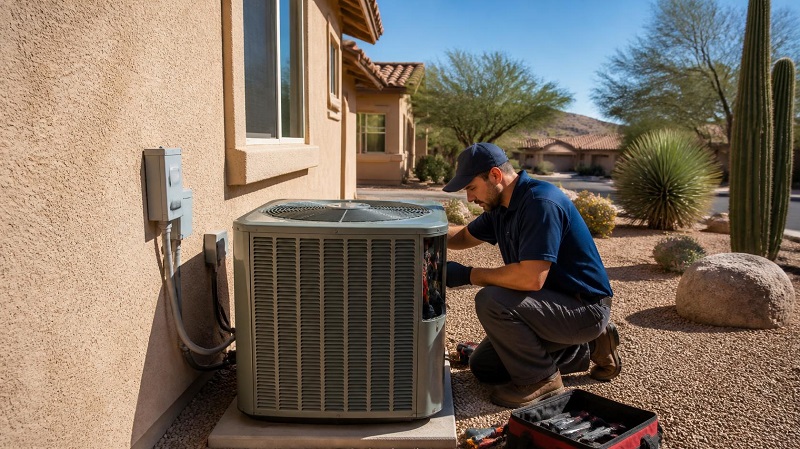
Preventative maintenance allows landlords to identify potential problems before they become emergencies. Be sure to regularly check important systems such as HVAC, plumbing, electrical components, roofing, and appliances. This can help protect the property over time.
This is especially important in Arizona, where extreme temperatures can put significant demand on air conditioning systems.
Spending money on preventative maintenance may seem like an additional expense at the time. However, it can reduce unexpected repair costs and extend the useful life of major property systems.
4. Keep Good Tenants
Tenant turnover can be expensive. Whenever a tenant leaves, a landlord may have to pay for cleaning, repairs, and other turnover related expenses. The property may also sit vacant while a new tenant is being found.
One of the simplest ways to encourage tenant retention is to provide responsive property management. Addressing maintenance requests, communicating clearly, and treating tenants professionally can create a better rental experience. A happy tenant is more likely to renew their lease agreement compared to one who is unhappy.
5. Make Strategic Property Improvements
Keep in mind, not every renovation will provide the same return in investment. Instead of spending money on unnecessary upgrades, landlords should focus on improvements that renters will actually value and that could potentially increase the property’s appeal. This includes:
Updating outdated fixtures
Improving lighting
Repainting
Replacing worn flooring
Improving landscaping
Updating appliances when necessary
Making energy efficient improvements
The key is to consider the property’s market and the expectations of the potential renters before making a major investment.

6. Screen Tenants Carefully
Here at Stone Rent – Real Estate Property Management LLC, we can not stress enough how important tenant screening is. A rental property’s profitability can be heavily affected by the tenant who occupies it.
A consistent tenant screening process can help landlords make informed decisions and reduce potential problems. Screening should also be conducted according to Arizona’s laws and to a consistent criteria for all applicants.
Landlords should never make decisions based on certain characteristics. Following the Fair Housing Act is both a legal responsibility and an important part of professional property management.
7. Keep Accurate Financial Records
Knowing how much money a property is actually generating requires that you keep accurate records. Landlords should keep track of income and expenses such as:
Mortgage costs
Property taxes
Insurance
Maintenance
Repairs
Utilities paid by the owner
Management fees
Advertising
Turnover expenses
When you keep accurate records, it is easier to evaluate whether a property is performing well and allow you to identify areas where expenses could potentially be reduced.
8. Understand Your Local Rental Market
The real estate market is constantly changing. This includes rental prices, tenant preferences, competition, and demand. Property owners who are regularly evaluating their local market are typically in a better position to make informed decisions.
For landlords in Arizona, factors such as seasonal demand, population growth, employment trends, and the supply of available rentals can all influence the market. Rather than assuming that a property’s rental strategy should remain the same indefinitely, owners should periodically review its performance.
ROI Doesn’t Have To Be a Difficult Concept
Maximizing rental property ROI isn’t necessarily about increasing rent as much as you possibly can. This also doesn’t mean cutting every expense. Rather, successful property ownership often comes down to making smart decisions that balance your income, expenses, property condition, and tenant satisfaction.
By following the strategies discussed in this blog, you can put yourself in a stronger position to achieve your investment goals. Our job is to keep you well informed and give you the best information so that you can make the most out of your rental property investment.